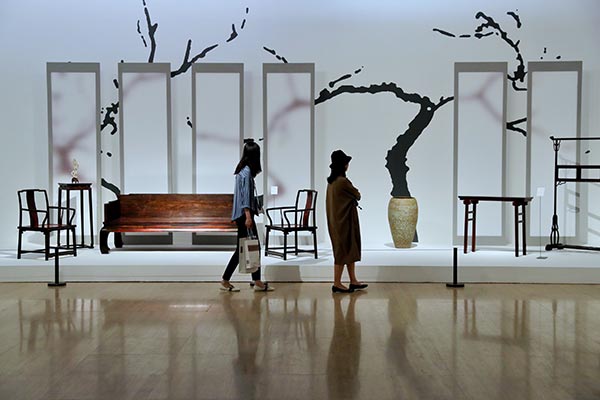
Suzhou-Style Furniture
Introduction
Suzhou-style furniture is a category of classical Chinese furniture known for its craftsmanship, elegant designs, and cultural significance. Originating from Suzhou, Jiangsu province, this style embodies a blend of simplicity and sophistication, combining engineering and aesthetics. Characterized by minimalist silhouettes, mortise-and-tenon joinery, and refined artistic expression, Suzhou-style furniture flourished during the Ming Dynasty (1368–1644) and remains valued for its cultural and artistic merits.
History
The origins of Suzhou-style furniture can be traced back to the Song (960–1279) and Yuan (1271–1368) dynasties, when classical furniture design began to develop in Suzhou. The style reached its peak during the Ming Dynasty, becoming prominent in the Jiangnan region. The intellectual class of this period influenced the designs, incorporating their ideals about living spaces into the furniture's aesthetic.
Suzhou's cultural atmosphere, emphasizing refinement and meticulous craftsmanship, deeply influenced the city's furniture-making tradition. The style evolved over the centuries, incorporating elements of the city's philosophy and artistic heritage, and reflecting the relationship between functionality and artistic expression.
Characteristics
Materials
Suzhou-style furniture is often crafted from hardwoods, such as huanghuali (fragrant rosewood) and zitan (red sandalwood). Huanghuali wood, valued for its unique patterns, was favored during the Ming and Qing dynasties for its combination of beauty and function. Zitan was prized for its durability and rich, dark color.
The selection of these materials reflects the artisan's attention to quality and appreciation for the natural beauty of wood, contributing to the furniture's visual appeal, longevity, and cultural importance.
Craftsmanship
The craftsmanship of Suzhou-style furniture is characterized by its sophisticated sunmao (mortise-and-tenon) system, which allows the various components to be assembled without the use of glue or nails. This intricate joinery technique ensures the stability and durability of the furniture while preserving its elegant appearance. The process of creating Suzhou-style furniture requires exceptional skill, precision, and attention to detail, as each piece is meticulously crafted to achieve a harmonious balance between form and function.
Design and Style
The design of Suzhou-style furniture is characterized by minimalist yet graceful forms. Chairs, desks, cabinets, and other pieces feature clean lines and elegant proportions, creating a sense of balance. Subtle decorative elements, such as carved motifs, enhance the aesthetic, reflecting regional cultural and artistic ideals.
Suzhou-style furniture often incorporates symbolic designs inspired by nature and traditional Chinese culture. Patterns of pine, bamboo, and plum blossoms are commonly used to represent integrity and resilience. These details add depth and meaning, reflecting cultural heritage.
Cultural Significance
Suzhou-style furniture is culturally significant as a representation of traditional Chinese culture and craftsmanship. The furniture embodies the relationship between art, craftsmanship, and functionality, reflecting the aesthetic sensibilities of the intellectual class in Suzhou. It serves as a cultural artifact connecting modern audiences to historical and artistic traditions.
Through its beauty and cultural resonance, Suzhou-style furniture continues to inspire appreciation, bridging the gap between past and present and preserving the legacy of classical Chinese furniture.








